November 30, 2018--Appalled
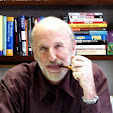
With a heavy heart, reflecting on Donald Trump's effect on the country, historian Walter Isaacson said that more than anything else Trump has stolen our capacity to be appalled.
He has accomplished this by normalizing outrageous behavior.
From early in his campaign for the presidency, by not being forced to pay a political price for recklessly attacking John McCain for not being a "winner" because he was shot down over North Vietnam and held prisoner for five years--"I like people who weren't captured"--Trump quickly realized he could say anything and could even, he claimed, literally get away with murder.
And so, since that time, daily, he says something outrageous to the point, Isaacson said, that we have become numb to his transgressions and lies.
Everything becomes trivial; everything becomes essential. It is impossible to sort things out--to identify what is important, what is best to ignore, what to resist.
Trump does this in part because he cannot control his inner demons, he lacks impulse control, but mainly to shut down discourse and dissent, to overwhelm and anesthetize the population with him eventually the one remaining voice. The goal ultimately of all narcissists.
I am finding that as time goes by and Trump rages on that I am becoming inured to his bluster and outrageousness. I am falling victim to his efforts to limit my ability to be appalled. In my case becoming desensitized and less and less able to retain my sense of outrage.
I need to fight this off so I can continue to resist and do the few things I can to push back.
He has accomplished this by normalizing outrageous behavior.
From early in his campaign for the presidency, by not being forced to pay a political price for recklessly attacking John McCain for not being a "winner" because he was shot down over North Vietnam and held prisoner for five years--"I like people who weren't captured"--Trump quickly realized he could say anything and could even, he claimed, literally get away with murder.
And so, since that time, daily, he says something outrageous to the point, Isaacson said, that we have become numb to his transgressions and lies.
Everything becomes trivial; everything becomes essential. It is impossible to sort things out--to identify what is important, what is best to ignore, what to resist.
Trump does this in part because he cannot control his inner demons, he lacks impulse control, but mainly to shut down discourse and dissent, to overwhelm and anesthetize the population with him eventually the one remaining voice. The goal ultimately of all narcissists.
I am finding that as time goes by and Trump rages on that I am becoming inured to his bluster and outrageousness. I am falling victim to his efforts to limit my ability to be appalled. In my case becoming desensitized and less and less able to retain my sense of outrage.
I need to fight this off so I can continue to resist and do the few things I can to push back.
 |
| Walter Isaacson |
Labels: Impulse Control, John McCain, Narcissism, Normalization, Walter Isaacson
posted by Steven Zwerling at
4:08 AM
0 Comments