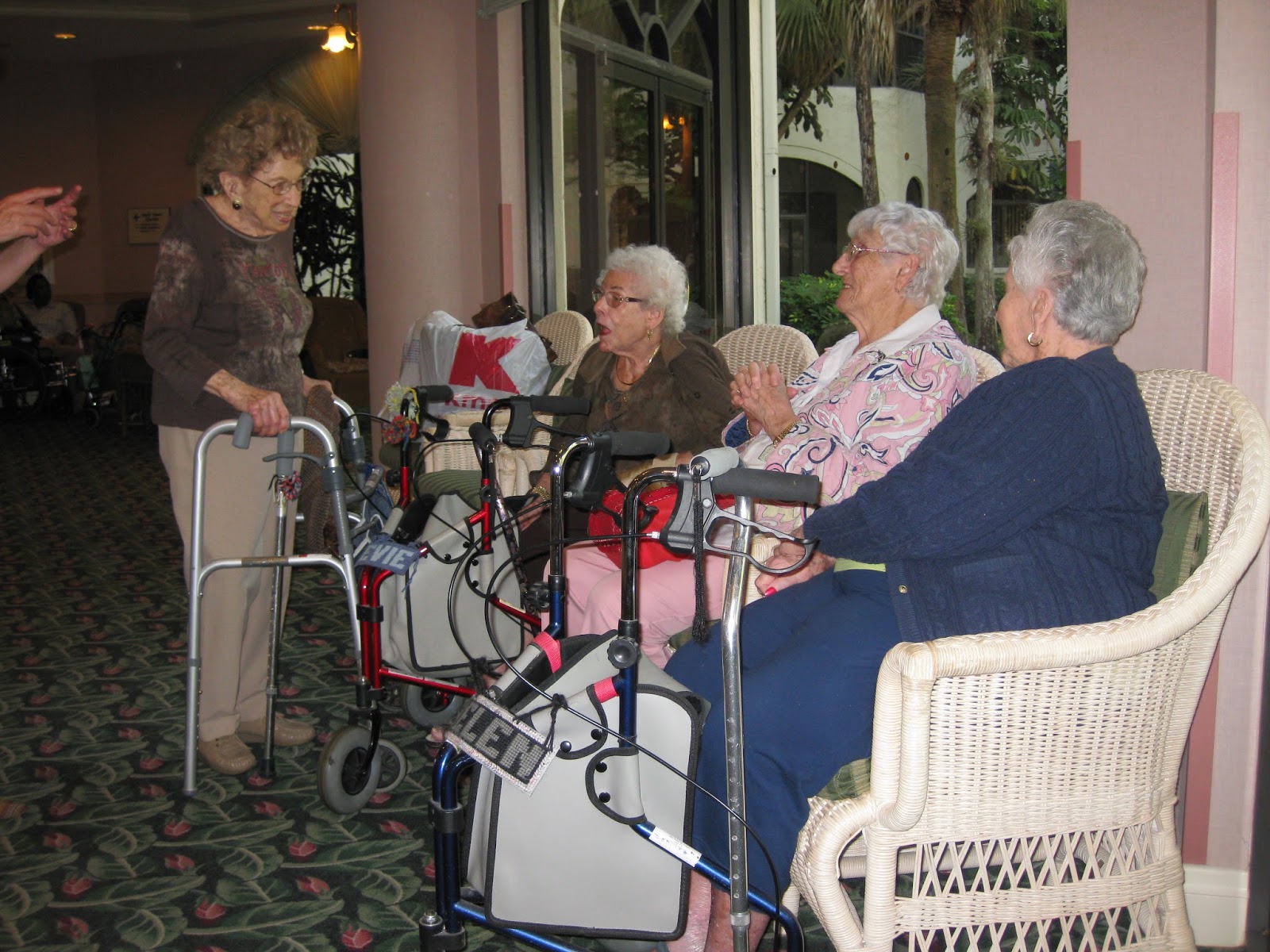
June 11, 2018--Ladies of Forest Trace: President Grump
The phone rang as we were in the midst of preparing dinner.
"Who would call us at this time?" I asked. "Anyone who knows us knows we have dinner about this time."
"Maybe it's a robocall," Rona said. "Check the caller ID."
I did and said, "It's from an unfamiliar area code--123."
"Pick it up. Maybe an actual person is placing the call. Not a computer. We've had an increase in the number we've been receiving. Maybe you can get them to take us off their caller list."
"Forget that," I mumbled. I was just about ready to add the spice mix to the vegetarian chili that was simmering on the stove.
Rona said, "I thought no area codes are allowed to start with a 1."
"With telemarketing and hacking," I said, "I assume anything goes. So maybe I shouldn't answer it. We don't want to get drawn into anything that will take over our computer or phone."
"Now you have me curious," Rona said, "I wouldn't worry too much about that. I'll add the spices. You answer the phone. Let's see what this is."
"You would think I have all day." On the phone it was a woman's voice that sounded vaguely familiar."
"Who is this?" I asked tentatively.
"Have I changed that much in three years?"
"Who is it?" Rona mouthed.
Shrugging, I shook my head.
"Well, in fact I do have all day," the caller chuckled.
"Tell me what this is about. We're in the middle of preparing dinner. Chili." I was poised to hit the phone's Off button.
"How can I be at rest while that Grump is making himself a king?"
"Is this . . . ?" I began to tremble.
"Who else calls you when you're hiding in Maine?"
"We're not hiding . . . " I couldn't catch my breath but finally said, "Mom?"
"This is not the time to be hiding away. It wasn't easy, but if I could get permission to call you between now and November the least you can do is put down your potholder."
"Is it really . . .?"
"The girls and the people who run this place are very concerned with what is happening."
"In Maine?" I didn't know what to say. My heart was thumping and I thought I was about to pass out or have a stroke.
I collapsed in a chair and Rona rushed over to see if I needed help. I signaled that I was OK. Just overwhelmed with emotion.
I mouthed, "I think it's my mother."
"How can that be?" Rona said so loud that my mother or whoever was on the phone could hear her.
"Tell my darling I love her and not to worry about me. They take very good care of us here. Even better than Forest Trace. Especially the food. Last night we had flanken with horseradish. It was delicious, I could chew it, and best of all it didn't give me gas."
Rona reached for the phone but I pulled it away. So she ran into the living room and snatched the other one from its cradle.
"Mom?"
"It's so good to hear your voice. I miss you every day."
"I think about you all the time. What an inspiration you have been and continue to be. So now you're here to . . . ?"
"Help with the election. We don't have newspapers or cable so I can't listen to Wolf or read Maureen Shroud. It's been difficult to keep up with the news. But we do know who was elected and can't believe what his people are doing to our country. The same country that rescued so many of my family who fled the pogroms before the Nazis took over. Today, Grump would want to arrest us and send us back to Auschwitz."
"It isn't that bad," I said, and then after a pause added, "Yet."
"That's what they said in Germany. Things are bad but we will be safe. All we have to do is not make trouble. We're Germans, yes Jews, but we have always lived side-by-side with gentiles and they won't allow the worst to happen." She took a deep breath and said, "And then the worst happened. More than the worst."
"And so?"
"So, we have to make trouble. That's why I got permission to call. To make sure you and your friends--not just your Jewish friends--make trouble."
"Which means?"
"Working every day to make sure good people get elected. If he wins in November I fear for the future. It will say the American people agree with what he has been doing. What a message that will be to the world. And how it would encourage him to continue doing all the things he is doing. What will this mean to young people? I was a teacher and a mother all my life. My heart breaks when I think about what the future will be like for young people. They will lose hope. For the young, that would be the worst thing. Not to look forward to the future."
"That would be a tragedy," I agreed, "But young people are activated and it seems are eager to vote in November."
"They didn't vote two years ago. Not enough of them. They wanted Burning Sanders and when they couldn't have him they didn't vote. And what about women? I remember when we couldn't vote. I was 12 years old when they passed the Amendment. My sisters were suffragettes. They marched and marched and marched. In the heat and the rain and the snow. But now too many women didn't vote for the first woman running for president. Hillary. Not my favorite but better than him, no?"
"Much better," Rona said, "Especially as we see what he is doing. At least with her things wouldn't be this bad. But more than 50 percent of white women voted for Trump. So it was white women and young people more than anyone else who helped elect him. But we are organizing and demonstrating. Just last week we did well in primary voting in California."
"I hadn't heard about that," my mother said, "That is good news but unless Democrats won by big numbers it may not be good enough. And when I think about the demonstrations I am not impressed. How long has he been in office?"
"About a year and a half."
"And what did you have? Two marches? One right after he was sworn in, the Pussy Cat march (I'm old fashioned and hated the name), but it still was good and then there was the one organized by the Florida children after 17 of their friends were killed. Also very good. But I didn't make all this effort to be able to talk with you to pretend to feel good about two marches."
"What would have made you feel good?" I asked.
"A march every week or at least every month. That would be at least 18 marches already. I know the news people would stop talking about it but if it went on and on they would have to pay attention and it could make a difference. It would keep the drum drumming It would also show that people, including young people, care about the future of America and the world. Their country, their world. Not mine and too soon not yours.
"What do you mean 'too soon'"? I asked, fearing she knew something I didn't.
"Time. Time is marching even if Americans aren't. Time doesn't need to do much or really anything to keep moving along. Time and tide. Look out your window up there and pay attention to the tide."
I glanced at Johns Bay and was about to ask about the tide since it ebbs and flows, first north and then it swings around to the south. I wasn't sure why this was significant to her. But before I could enquire, she told us she needed to pass the phone to one of the Forest Trace ladies who was waiting in line. She promised, until November, to try to call every few weeks. Maybe, she said, on her birthday, June 28th, when if she were still here she would be 110. Not, she said, that they make a big fuss there about birthdays. Or that 110, considering where she is now, is a big deal.
But before yielding the phone, she asked "Doesn't chili give you gas?"
"Who would call us at this time?" I asked. "Anyone who knows us knows we have dinner about this time."
"Maybe it's a robocall," Rona said. "Check the caller ID."
I did and said, "It's from an unfamiliar area code--123."
"Pick it up. Maybe an actual person is placing the call. Not a computer. We've had an increase in the number we've been receiving. Maybe you can get them to take us off their caller list."
"Forget that," I mumbled. I was just about ready to add the spice mix to the vegetarian chili that was simmering on the stove.
Rona said, "I thought no area codes are allowed to start with a 1."
"With telemarketing and hacking," I said, "I assume anything goes. So maybe I shouldn't answer it. We don't want to get drawn into anything that will take over our computer or phone."
"Now you have me curious," Rona said, "I wouldn't worry too much about that. I'll add the spices. You answer the phone. Let's see what this is."
"You would think I have all day." On the phone it was a woman's voice that sounded vaguely familiar."
"Who is this?" I asked tentatively.
"Have I changed that much in three years?"
"Who is it?" Rona mouthed.
Shrugging, I shook my head.
"Well, in fact I do have all day," the caller chuckled.
"Tell me what this is about. We're in the middle of preparing dinner. Chili." I was poised to hit the phone's Off button.
"How can I be at rest while that Grump is making himself a king?"
"Is this . . . ?" I began to tremble.
"Who else calls you when you're hiding in Maine?"
"We're not hiding . . . " I couldn't catch my breath but finally said, "Mom?"
"This is not the time to be hiding away. It wasn't easy, but if I could get permission to call you between now and November the least you can do is put down your potholder."
"Is it really . . .?"
"The girls and the people who run this place are very concerned with what is happening."
"In Maine?" I didn't know what to say. My heart was thumping and I thought I was about to pass out or have a stroke.
I collapsed in a chair and Rona rushed over to see if I needed help. I signaled that I was OK. Just overwhelmed with emotion.
I mouthed, "I think it's my mother."
"How can that be?" Rona said so loud that my mother or whoever was on the phone could hear her.
"Tell my darling I love her and not to worry about me. They take very good care of us here. Even better than Forest Trace. Especially the food. Last night we had flanken with horseradish. It was delicious, I could chew it, and best of all it didn't give me gas."
Rona reached for the phone but I pulled it away. So she ran into the living room and snatched the other one from its cradle.
"Mom?"
"It's so good to hear your voice. I miss you every day."
"I think about you all the time. What an inspiration you have been and continue to be. So now you're here to . . . ?"
"Help with the election. We don't have newspapers or cable so I can't listen to Wolf or read Maureen Shroud. It's been difficult to keep up with the news. But we do know who was elected and can't believe what his people are doing to our country. The same country that rescued so many of my family who fled the pogroms before the Nazis took over. Today, Grump would want to arrest us and send us back to Auschwitz."
"It isn't that bad," I said, and then after a pause added, "Yet."
"That's what they said in Germany. Things are bad but we will be safe. All we have to do is not make trouble. We're Germans, yes Jews, but we have always lived side-by-side with gentiles and they won't allow the worst to happen." She took a deep breath and said, "And then the worst happened. More than the worst."
"And so?"
"So, we have to make trouble. That's why I got permission to call. To make sure you and your friends--not just your Jewish friends--make trouble."
"Which means?"
"Working every day to make sure good people get elected. If he wins in November I fear for the future. It will say the American people agree with what he has been doing. What a message that will be to the world. And how it would encourage him to continue doing all the things he is doing. What will this mean to young people? I was a teacher and a mother all my life. My heart breaks when I think about what the future will be like for young people. They will lose hope. For the young, that would be the worst thing. Not to look forward to the future."
"That would be a tragedy," I agreed, "But young people are activated and it seems are eager to vote in November."
"They didn't vote two years ago. Not enough of them. They wanted Burning Sanders and when they couldn't have him they didn't vote. And what about women? I remember when we couldn't vote. I was 12 years old when they passed the Amendment. My sisters were suffragettes. They marched and marched and marched. In the heat and the rain and the snow. But now too many women didn't vote for the first woman running for president. Hillary. Not my favorite but better than him, no?"
"Much better," Rona said, "Especially as we see what he is doing. At least with her things wouldn't be this bad. But more than 50 percent of white women voted for Trump. So it was white women and young people more than anyone else who helped elect him. But we are organizing and demonstrating. Just last week we did well in primary voting in California."
"I hadn't heard about that," my mother said, "That is good news but unless Democrats won by big numbers it may not be good enough. And when I think about the demonstrations I am not impressed. How long has he been in office?"
"About a year and a half."
"And what did you have? Two marches? One right after he was sworn in, the Pussy Cat march (I'm old fashioned and hated the name), but it still was good and then there was the one organized by the Florida children after 17 of their friends were killed. Also very good. But I didn't make all this effort to be able to talk with you to pretend to feel good about two marches."
"What would have made you feel good?" I asked.
"A march every week or at least every month. That would be at least 18 marches already. I know the news people would stop talking about it but if it went on and on they would have to pay attention and it could make a difference. It would keep the drum drumming It would also show that people, including young people, care about the future of America and the world. Their country, their world. Not mine and too soon not yours.
"What do you mean 'too soon'"? I asked, fearing she knew something I didn't.
"Time. Time is marching even if Americans aren't. Time doesn't need to do much or really anything to keep moving along. Time and tide. Look out your window up there and pay attention to the tide."
I glanced at Johns Bay and was about to ask about the tide since it ebbs and flows, first north and then it swings around to the south. I wasn't sure why this was significant to her. But before I could enquire, she told us she needed to pass the phone to one of the Forest Trace ladies who was waiting in line. She promised, until November, to try to call every few weeks. Maybe, she said, on her birthday, June 28th, when if she were still here she would be 110. Not, she said, that they make a big fuss there about birthdays. Or that 110, considering where she is now, is a big deal.
But before yielding the phone, she asked "Doesn't chili give you gas?"
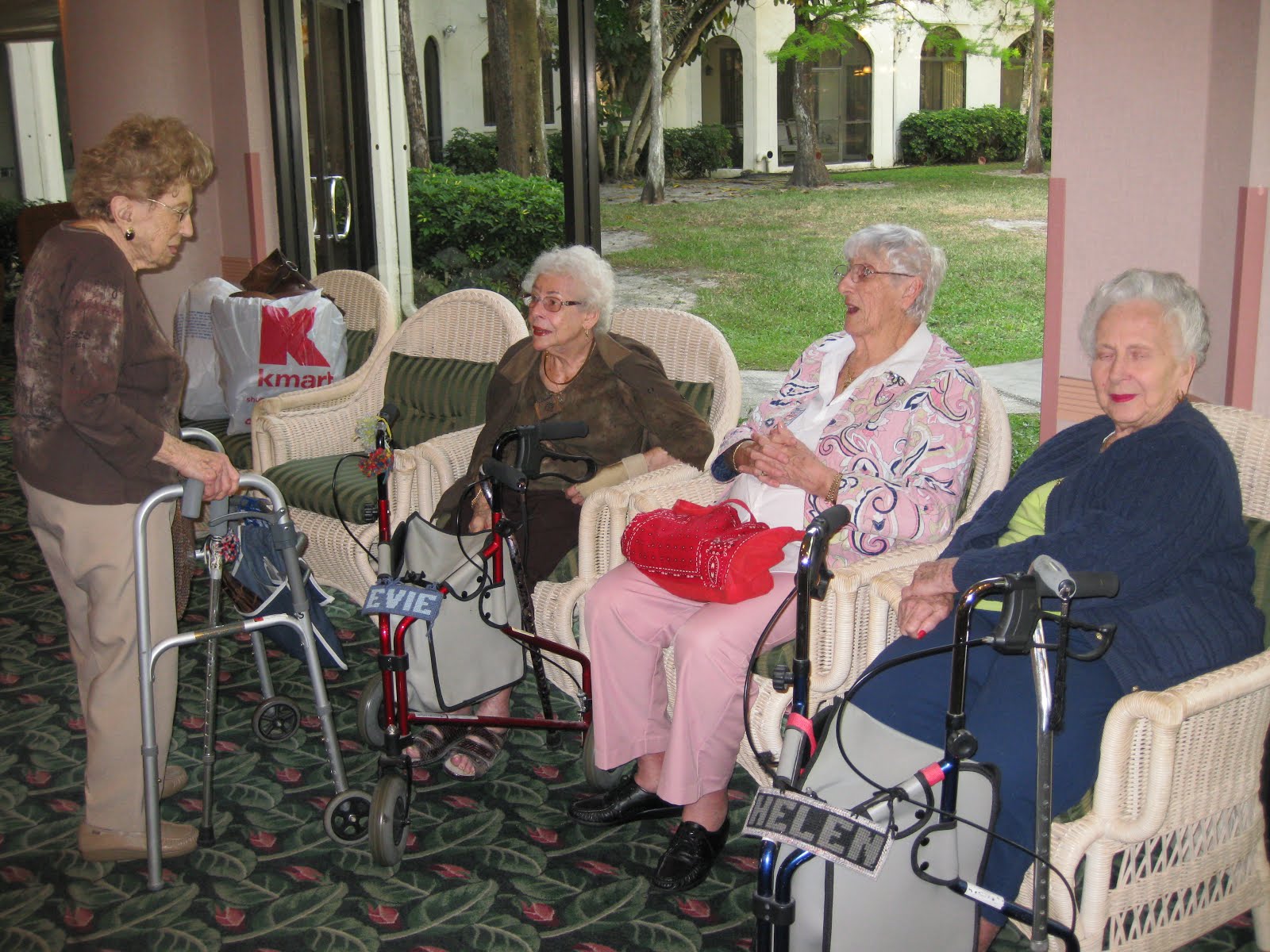 |
| The Ladies of Forest Trace (Mom Standing) |
Labels: Anti-Semitism, Auschwitz, Forest Trace, Germany, Ladies of Forest Trace, Maureen Dowd, Nazis, November Midterms, Pogroms, Poland, Pussy Hat March, Suffragettes, Wolf Blitzer
posted by Steven Zwerling at
4:15 AM
0 Comments